
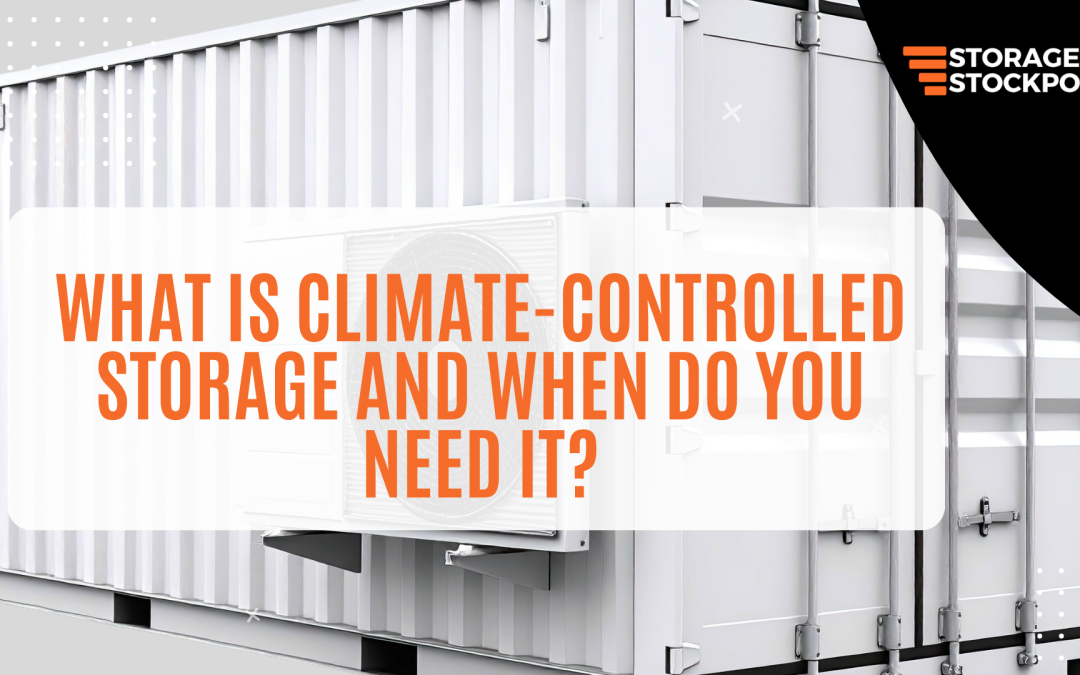
Not all items can be stored in standard conditions. Temperature changes, damp air, and poor ventilation can damage valuable or sensitive belongings over time, especially during long-term storage.
This guide explains what climate-controlled storage is, how it works, and when it is worth using for your items in Stockport.
What this guide covers
- What climate-controlled storage means
- How it protects your belongings
- Items that require controlled conditions
- When standard storage is not enough
- How to choose the right storage option
What Is Climate-Controlled Storage?
Climate-controlled storage refers to storage units where temperature and humidity levels are regulated. This creates a more stable environment compared to standard storage units.
Instead of being exposed to seasonal changes, your belongings are kept in conditions designed to reduce moisture, prevent damp, and limit temperature fluctuations.
Key features
- Stable temperature throughout the year
- Controlled humidity levels
- Reduced risk of condensation
These features are particularly important for items that can be damaged by environmental changes.
Why Climate Control Matters
Changes in temperature and humidity can cause gradual damage that is not always visible straight away.
Common risks include:
- Warping of wood and furniture
- Mould growth on fabrics and paper
- Corrosion on metal items
- Damage to electronics and wiring
Using specialist storage in Stockport helps protect items from these risks, especially when storing long term.
Items That Need Climate-Controlled Storage
Some belongings are far more sensitive to environmental conditions than others.
Common items that benefit
- Wooden furniture and antiques
- Artwork, prints, and photographs
- Musical instruments
- Books and important documents
- Electronics and equipment
- Clothing and fabrics
These items can degrade quickly if stored in damp or fluctuating conditions.
When Do You Actually Need Climate-Controlled Storage?
Not every situation requires climate control. However, there are clear scenarios where it becomes important.
Long-term storage
If you are storing items for several months or longer, the risk of environmental damage increases.
High-value or sentimental items
Items that are expensive or irreplaceable benefit from additional protection.
Seasonal storage
Winter months bring colder temperatures and higher moisture levels, which can affect stored items.
Delicate materials
Items made from wood, paper, or fabric are especially vulnerable to humidity.
In these situations, climate-controlled storage provides added peace of mind.
Climate-Controlled vs Standard Storage
| Climate-Controlled Storage | Standard Storage |
| Stable temperature and humidity | Subject to seasonal changes |
| Best for delicate items | Suitable for general storage |
| Higher level of protection | Basic protection |
| Usually higher cost | More affordable option |
Choosing between the two depends on what you are storing and how long it will be stored.
Best Conditions for Long-Term Storage
Even if full climate control is not available, there are still ways to protect your items.
Key conditions to aim for
- Dry, well-ventilated environment
- Consistent temperature where possible
- Protection from direct sunlight
- Secure and clean storage space
Facilities with secure storage with 24hr surveillance also provide added protection against theft or damage.
How to Protect Items Without Climate Control
If you are using standard storage, you can still take steps to reduce risk.
- Use moisture absorbers such as silica gel
- Wrap items in breathable materials
- Avoid plastic wrapping that traps moisture
- Elevate items off the floor where possible
These steps help create a more stable environment inside your unit.
Costs and Considerations
Climate-controlled storage usually costs more than standard storage due to the additional facilities and energy use.
However, the cost is often justified if it prevents damage to valuable items.
You can compare storage prices in Stockport to understand the difference and plan accordingly.
Flexible options like no deposit storage in Stockport allow you to access storage without a large upfront commitment.
Common Mistakes to Avoid
Many people underestimate the impact of temperature and humidity on stored items.
- Storing delicate items in unsuitable conditions
- Using airtight plastic wrapping
- Ignoring moisture risks
- Choosing storage based only on price
Understanding your items helps you choose the right solution.
When Professional Storage Is Worth It
Professional storage is particularly useful when:
- You are storing items long term
- Your belongings are valuable or delicate
- You want added protection and security
It provides a more controlled and reliable environment.
Quick Checklist
- Identify sensitive or valuable items
- Decide if climate control is needed
- Prepare items with proper packing
- Choose a secure storage facility
- Monitor conditions where possible
Related guides
Frequently Asked Questions
What is climate-controlled storage?
It is storage where temperature and humidity are regulated to protect sensitive items.
Do I need climate-controlled storage?
You need it if you are storing delicate, valuable, or long-term items that could be damaged by moisture or temperature changes.
Is climate-controlled storage expensive?
It usually costs more than standard storage but can prevent costly damage.
Can I store furniture without climate control?
Yes, but wooden or antique furniture may benefit from climate-controlled conditions.
Does climate control prevent mould?
It significantly reduces the risk by controlling humidity and airflow.
Climate-controlled storage is not always necessary, but for valuable or sensitive items, it can make a significant difference. By understanding when to use it, you can protect your belongings and avoid long-term damage. For flexible and secure options, consider using no deposit storage in Stockport.
Recent Comments