
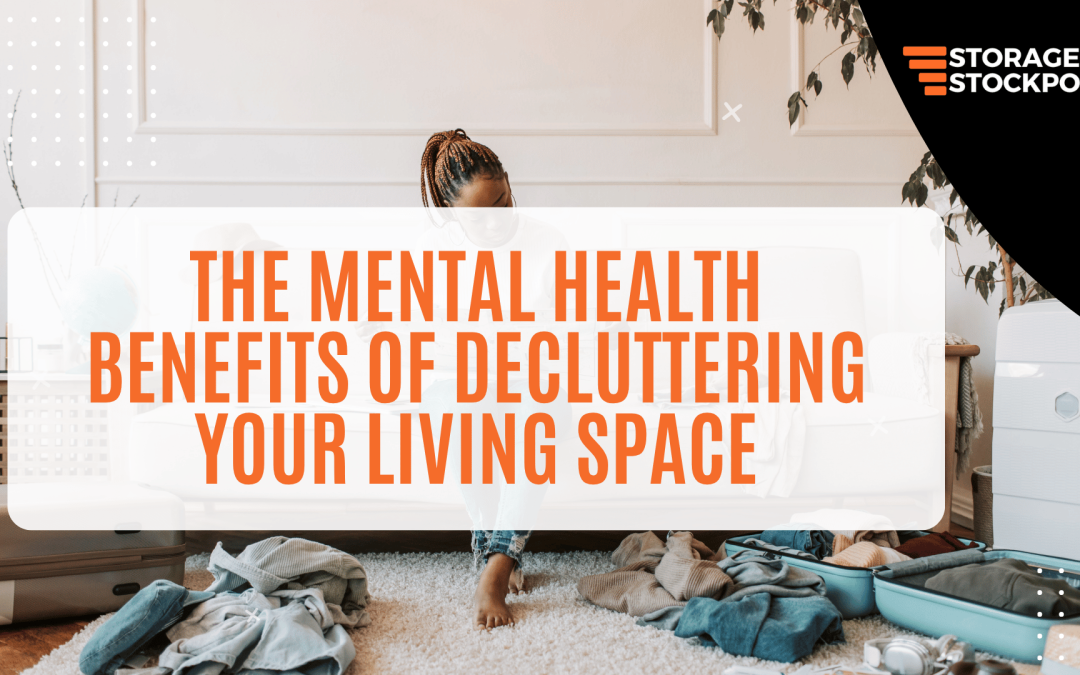
Decluttering can change more than the look of a room. It can make home life feel calmer, lower the pressure of constant visual mess and help you move through daily routines with less friction. This guide explains how decluttering supports a more settled home environment, why smaller changes often work best and when storage can help without turning the process into another source of stress.
What this guide covers
- Mental and emotional impact of visual clutter
- Why smaller decluttering steps feel more manageable
- Daily habits that protect a calmer living space
- How to handle sentimental or delayed-decision items
- When outside storage supports wellbeing
Why decluttering can make your home feel mentally lighter
A cluttered space often asks more of you than you realise. Even when you are not actively tidying, your attention is still being pulled towards unfinished piles, crowded surfaces and things that have no clear place. That constant visual noise can make it harder to relax fully, focus on one task or feel settled in your own space.
Decluttering helps by reducing that background pressure. A clearer room usually feels easier to understand at a glance. You can find what you need more quickly, clean more easily and move through the space without feeling that every surface is asking for your attention. That does not solve every emotional burden, but it can reduce one source of everyday strain.
This is especially true in the parts of the home you use most. Kitchens, bedrooms, hallways and living rooms affect your mood more than forgotten cupboards because you see them repeatedly throughout the day. When those spaces are calmer, the whole home often feels more supportive.
A calmer room can support clearer routines
Many people notice the benefit of decluttering not during the clear-out itself, but afterwards. Morning routines feel simpler when you can find what you need. Evenings feel less draining when surfaces are easier to reset. It becomes easier to rest when the room is not full of visual reminders of everything you still mean to do.
That is why decluttering is often less about perfection and more about reducing friction. The home starts working with you rather than against you.
Start where the mental load feels heaviest
If your home feels overwhelming, the answer is rarely to tackle everything at once. That often creates more stress because the whole house becomes a work zone before you have seen any result. A better approach is to start with the area that creates the most daily pressure and make that space easier first.
This may be the kitchen counter that never clears, the hallway where bags and shoes collect, or the bedroom chair that has stopped being a chair and become a pile. These are the places that affect your mood quickly because they interrupt routine and make the home feel harder to stay on top of.
Choose quick wins before bigger projects
Small completed tasks do more for morale than large unfinished ones. Clearing one drawer, one shelf or one surface can bring more mental relief than dragging everything out of the loft and leaving it half sorted for days. Progress feels more encouraging when it is visible and contained.
- One bedside table
- One kitchen drawer
- One hallway basket or shoe area
- One bathroom shelf
- One living room surface
These smaller jobs help because they prove the space can change. Once you have a few calmer spots in the house, the rest of the work usually feels less intimidating.
Do not start with the hardest category
Sentimental items, family paperwork and memory boxes often carry more emotion than ordinary clutter. If you begin there, you may end up drained before the process has really started. Start with lower-emotion categories first, build momentum and come back to the more personal items once you feel steadier.
Daily and weekly habits that protect a calmer space
The mental health benefit of decluttering lasts longer when the home is easy to reset. That does not mean spending all your time tidying. It means creating habits that stop clutter from rebuilding quietly until the house feels heavy again.
A short daily reset often helps more than a long occasional clean-up. Ten minutes spent returning items to their place, clearing the most-used surfaces and dealing with incoming post can prevent the visual clutter that gradually chips away at calm.
Make the home easier to maintain, not stricter
The best systems are not the most complicated ones. They are the ones you can still follow when you are tired, busy or distracted. If a storage rule is too precise or too inconvenient, clutter usually comes back because leaving things out feels easier than putting them away properly.
Keep the main systems simple. One tray for post, one basket for chargers, one place for bags, one home for keys and one easy route for laundry are often enough to reduce a surprising amount of daily noise.
Use weekly check-ins instead of waiting for overwhelm
A clutter-free home is easier to keep when you deal with small problems early. A short weekly check of the main pressure points can stop the house sliding back into the same patterns. Hallway surfaces, kitchen counters, dining tables and bedroom clutter spots often tell you quickly what needs attention.
If your reset reveals bulky overflow that still matters, such as spare furniture, seasonal items or archive boxes, reviewing current storage prices can help you decide whether moving those items out of the main living space would make the home easier to maintain.
Handle emotional clutter with more care, not more force
Some belongings do not create pressure because of quantity alone. They create pressure because of what they represent. Papers from an old life stage, boxes from family homes, inherited items and sentimental keepsakes can make decluttering feel emotionally complicated very quickly. In those cases, pushing harder is not usually the best answer.
It often helps to separate emotional clutter from everyday clutter. You do not need to solve both on the same day. The mugs, post and spare toiletries can be reduced quickly. Sentimental belongings usually need more time and a gentler pace.
Keep the strongest representatives
If you have too many memory-linked items, choose the pieces that carry the clearest meaning rather than keeping every version of the same story. A few well-chosen keepsakes often bring more comfort than several boxes that sit closed and make the room feel crowded.
This approach can ease guilt because you are not trying to erase the memory. You are deciding how you want that memory to live in your home now.
Use storage for breathing room, not avoidance
Sometimes the right decision is to keep an item but move it out of your daily space. That can be helpful when you are not ready to decide fully, or when the home needs less visual and emotional pressure right now. A no deposit storage option can make that easier if you want flexibility without a large upfront commitment.
What matters is intention. Storage works well when it supports a calmer home and buys you time to think clearly. It works less well when it becomes a holding place for everything you do not want to face.
When outside storage can support a healthier home environment
Decluttering and storage are not opposite ideas. In many homes, they work best together. Decluttering removes what no longer belongs. Storage protects the items that still matter but do not need to live in your main space every day. That combination can make the home feel lighter without forcing rushed decisions.
This is especially useful during transitions such as decorating, downsizing, retirement planning, family clear-outs or general home resets. A few carefully chosen items moved out of the house can make an immediate difference to how a room feels and functions.
If you are unsure how much space you would need, the storage size estimator can help you judge the right level of storage for furniture, boxes or seasonal belongings. For short-term support, introductory storage offers from £1 may also be worth considering.
Before using any storage option, it is sensible to read the self storage FAQs so the practical side feels clear and manageable too.
Related guides
- Compare storage prices for household overflow and seasonal items
- See flexible storage options with no deposit
- Review introductory storage offers from £1
- Estimate the right size for boxes, furniture and archive items
Frequently Asked Questions
Can decluttering help you feel calmer at home?
Yes, many people find that a less crowded space feels easier to relax in. Decluttering can reduce visual pressure, make daily routines smoother and help the home feel more manageable.
Why does clutter feel mentally tiring?
Clutter often acts like visual noise. It can pull your attention in several directions at once and keep reminding you of unfinished jobs, which makes it harder to feel settled.
What room should you declutter first for the biggest mental relief?
Start with the room or surface that affects you most often, such as the kitchen, hallway or bedroom. Quick visible improvement in a daily-use area usually brings the strongest sense of relief.
What if decluttering feels emotionally difficult?
Separate ordinary clutter from sentimental belongings and deal with them at different speeds. It is usually easier to build confidence with simpler categories before handling items tied to memory or family history.
When should you use storage during decluttering?
Storage can help when you have selected items you want to keep but do not need in your living space every day. It works best when it supports a calmer home rather than delaying every difficult decision.
Decluttering can make your living space feel easier to use, easier to reset and less mentally noisy across the year. Explore the options for decluttering storage in Stockport and make your space feel lighter in a practical way.
Recent Comments