
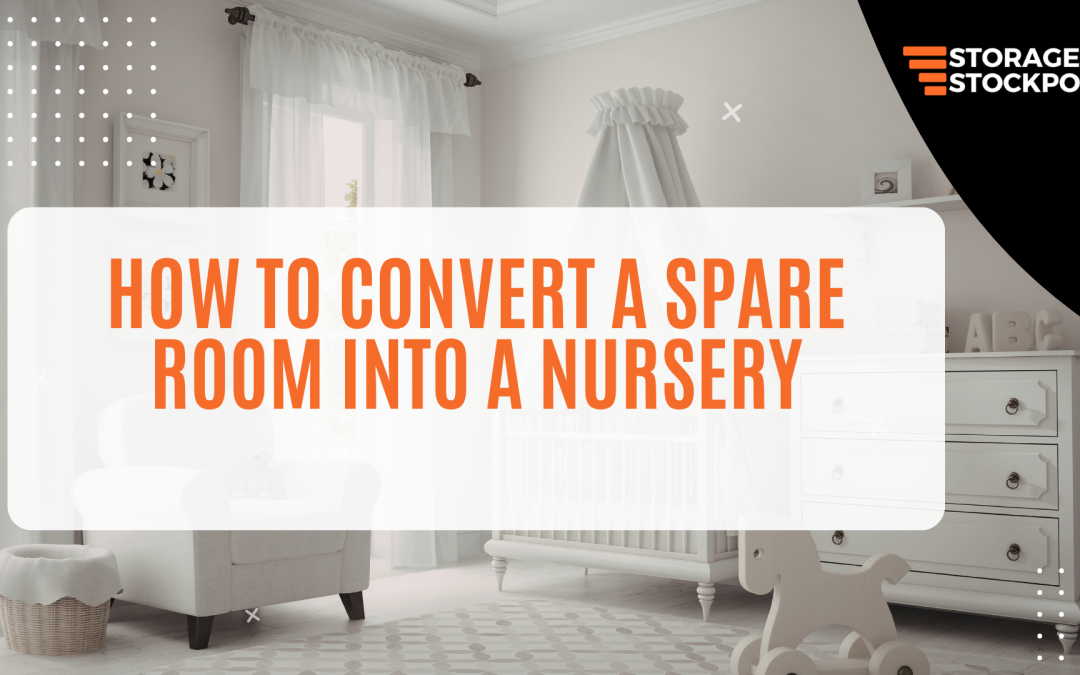
Turning a spare room into a nursery is one of the biggest practical jobs before a baby arrives. It sounds simple at first, but once you start clearing the room, sorting furniture, and planning what needs to stay, it can quickly feel like a bigger project than expected.
This guide takes you through how to convert a spare room into a nursery step by step, with a focus on clearing space, planning storage, and keeping the room calm and functional.
What this guide covers
- How to clear a spare room without feeling overwhelmed
- What to keep, move, store, or get rid of
- How to plan nursery storage from the start
- Furniture and layout tips for a practical nursery
- When external storage makes the process easier
Start by Looking at What the Room Is Used For Now
Most spare rooms are not truly spare. They often become a mix of guest room, storage area, home office, laundry overflow, or somewhere to put everything that does not fit elsewhere. Before you can create a nursery, you need to be honest about what is actually in the room and why it is there.
Start by identifying what belongs in the room now. Some items are there because you use them regularly. Others are there because they have never been sorted properly.
Common things found in a spare room
- Guest bed and bedding
- Boxes of old clothes or paperwork
- Seasonal decorations
- Unused furniture
- Baby items already collected
This first step gives you a clear picture of how much work is really involved.
Clear the Room in Stages, Not All at Once
Trying to empty the whole room in one day usually creates more stress than progress. A staged approach is more realistic and helps you make better decisions.
Use four categories
- Keep in the room
- Move elsewhere in the house
- Put into storage
- Donate, sell, or recycle
This method works because it turns one large task into a series of smaller decisions. Instead of just shifting clutter from one corner to another, you are actively deciding what the room needs to become a nursery.
If the room is holding bulky or long-term items that you do not need every day, using home storage solutions in Stockport can free up the space far more quickly than trying to squeeze everything into other rooms.
Decide What Can Stay in the House and What Should Leave
One of the biggest mistakes people make is clearing the spare room by moving everything into lofts, hallways, or other bedrooms. That often solves one problem and creates another.
The better approach is to think about what you genuinely need to keep at home.
Usually worth keeping at home
- Daily-use household items
- Documents and important paperwork
- Furniture that has a clear place elsewhere
Usually better moved into storage
- Guest bed if it will not fit elsewhere
- Seasonal decorations
- Boxes of keepsakes
- Rarely used furniture
- Overflow clothing and household items
Making this distinction early helps stop the rest of the home becoming cluttered as you prepare the nursery.
Plan Storage Before You Buy Nursery Furniture
A nursery needs to work practically from day one. That means storage should be part of the plan, not an afterthought once the room is already full.
Think about how the room will function during daily routines such as changing, dressing, feeding, and settling your baby. The more accessible things are, the easier the room is to use.
Useful nursery storage ideas
- Drawer units for clothes and muslins
- Shelving for books and small essentials
- Baskets for nappies, wipes, and creams
- Under-cot or under-chair storage where practical
Keep the room focused on what you will use regularly in the first year. Avoid filling it with every baby item at once.
Choose a Layout That Leaves Space to Move
It is easy to focus on how a nursery looks and forget how it will feel to use every day. A practical layout matters more than fitting in extra furniture.
You need enough space to move comfortably, especially during night-time routines when you are tired and carrying your baby.
Key furniture to position carefully
- Cot or crib
- Changing unit or dresser
- Chair for feeding or settling
- Main storage unit
Try to keep frequently used items within easy reach of where you will need them. This reduces clutter on surfaces and helps the room stay calm.
What to Do With Furniture You Are Removing
The spare room often contains furniture that no longer fits once it becomes a nursery. A desk, chest of drawers, or guest bed can take up valuable space if there is nowhere else for it to go.
You have three realistic options: repurpose it elsewhere, sell it, or store it.
If the furniture is still useful and you may want it again later, storing it can be the most practical choice. A flexible storage unit in Stockport gives you the option to keep useful pieces without forcing them into already crowded rooms.
You can also review storage prices in Stockport before deciding what makes sense for your budget.
Keep Baby Gear Under Control From the Start
Nurseries can become overcrowded before the baby even arrives. Gifts, hand-me-downs, and well-meant purchases can fill the room before you have worked out what you actually need.
Try to store only the current stage of baby items in the nursery. Everything else can be packed, labelled, and kept elsewhere until needed.
Items that often do not need to stay in the nursery yet
- Larger clothing sizes
- Backup prams or travel systems
- Duplicate blankets or bedding sets
- Items for later stages
This helps the room feel more spacious and stops useful storage being filled too early.
When External Storage Makes the Whole Job Easier
Sometimes the issue is not the nursery itself, but the fact that the rest of the house has no spare capacity. In that situation, creating a nursery means making a broader space plan for the home.
External storage is especially helpful if you are holding onto furniture, seasonal items, or keepsakes that you still want, but do not need in daily life.
Options such as no deposit storage in Stockport reduce the cost and pressure of getting started. That makes it easier to clear the room properly rather than trying to solve the problem with temporary piles around the house.
Common Mistakes to Avoid
A nursery conversion usually goes more smoothly when you keep the plan simple. Problems often come from trying to do too much in too little space.
- Moving clutter into other rooms instead of sorting it properly
- Buying nursery furniture before clearing the room
- Keeping too many baby items in the room at once
- Forgetting to plan storage for daily essentials
- Holding onto furniture with no realistic place for it
A calm and practical nursery usually starts with clearing more than you think you need to.
Quick Checklist
- Assess what the spare room is currently storing
- Sort everything into keep, move, store, or remove
- Clear bulky items before planning the nursery layout
- Choose storage that supports daily routines
- Keep only current-stage baby essentials in the room
Related guides
- estimate the right storage unit size
- answers to common storage questions
- see storage options from £1 a week
Frequently Asked Questions
How early should I start turning a spare room into a nursery?
It is best to start as early as you can, especially if the room is currently used for storage. This gives you time to sort, clear, and organise without rushing.
What should I remove from a spare room before making it a nursery?
Start with anything that is bulky, rarely used, or stored there by default. Guest beds, boxes, and seasonal items are common examples.
Do I need external storage to create a nursery?
Not always, but it can make the process much easier if the rest of your home is already full. It is especially useful for furniture and long-term household storage.
How much furniture should go in a nursery?
Keep it simple. A cot, storage for essentials, and one or two practical pieces are usually enough to start with.
Can I keep future baby items in the nursery?
It is usually better to store larger-size clothes and later-stage items elsewhere. This keeps the room focused on what you need right now.
Converting a spare room into a nursery is much easier when you start with space, not furniture. A clear plan for what to move, store, and keep helps you create a room that feels calm and practical from the beginning. If you need extra room to make that happen, explore no deposit storage options in Stockport and clear the space properly.
Recent Comments